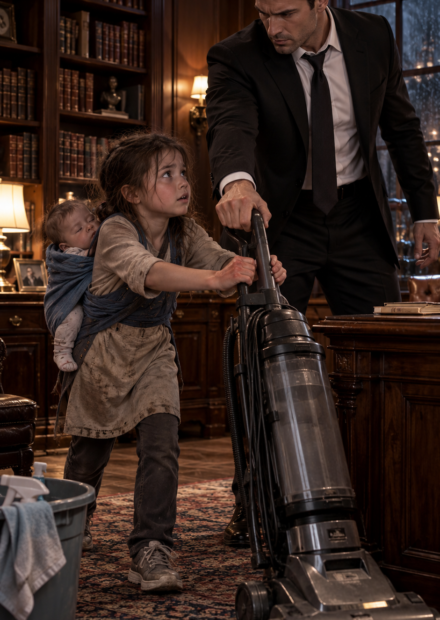
Chapter 3 – SEVENTY-TWO THOUSAND DOLLARS
I thought getting Khloe and Julian out would be the difficult part.
I was wrong.
Doors are simple.
Keys are simple.
Money is simple compared with shame.
The next morning, I sat at the hotel dining table with my mother and opened the account I had funded for her.
The password no longer worked.
Mom looked embarrassed.
“Harrison’s people can fix it.”
“I know.”
“I’m sorry.”
“Stop.”
She looked at me.
“Stop apologizing for things someone else pressured you into.”
Her eyes dropped.
I called the bank.
After identity verification, we regained control.
I reset the password.
New email.
New phone authentication.
Every authorized card was canceled.
Then I opened the transaction history.
Two years of records filled the screen.
At first, nothing looked dramatic.
Grocery stores.
Pharmacy.
Utilities.
Restaurants.
Then more restaurants.
Bars.
Clothing stores.
A luxury furniture showroom.
A wine merchant.
Spa charges.
A golf club.
Event catering.
My mother leaned closer.
“What is that?”
I clicked.
“Fourteen hundred dollars.”
“For what?”
I read the merchant name.
She shook her head.
“I’ve never been there.”
Another charge.
Eight hundred.
Another.
Six hundred.
Not every dollar was misuse.
That mattered.
Groceries fed everyone in the house.
Utilities were legitimate.
Some purchases were for Mom.
I refused to exaggerate.
But even after separating ordinary household costs, a pattern remained.
Khloe and Julian had treated my mother’s monthly support as a household expense account.
Sometimes as a lifestyle account.
Mom stared at the screen.
“I knew they used it.”
I turned.
“How much did you know?”
She twisted her hands.
“Khloe said because there were three of us, groceries cost more.”
“That part makes sense.”
“She said you sent the money for the house.”
“For you.”
“She said it was all one household.”
I closed my eyes.
“Mom.”
“I thought maybe I was being selfish.”
“For wanting your own money?”
“I wasn’t using much.”
“That isn’t the point.”
She began crying.
Again.
I hated how quickly tears came now.
Not because I resented them.
Because I realized how long she had been holding them back.
I pulled my chair closer.
“Look at me.”
She did.
“You did not cause this.”
“But I let it happen.”
“Yes.”
She flinched.
I softened.
“You did.”
“I know.”
“And that matters because I don’t want to treat you like you are helpless.”
She stared.
I continued.
“They pressured you. They scared you. That was wrong.”
Her mouth trembled.
“But you also kept saying yes because you were afraid of conflict.”
She nodded.
“So we fix both things.”
“How?”
“We take back your money.”
“I don’t need that much.”
“You are missing the point again.”
She almost smiled.
“Apparently that runs in the family.”
“Apparently.”
I opened a new account with her.
Only her name.
Then, at her request, we added me as a limited emergency contact, not an everyday user.
I changed the monthly transfer.
Instead of sending everything onto one debit card, we divided it.
Household account.
Personal spending.
Savings.
Home maintenance.
Not because my mother could not manage money.
Because for two years, everything had blurred together.
Clarity helped.
Then we changed her phone.
Julian had added her line to a family plan he controlled.
I bought her a new phone on her own account.
New passcode.
New cloud password.
New email recovery settings.
We changed the pharmacy contact.
Primary-care office.
Insurance portal.
Emergency contact.
Khloe’s name was removed from places where my mother no longer wanted her making decisions.
I did not do it secretly.
I asked every time.
“Do you want me listed?”
“Yes.”
“Do you want Khloe removed?”
Mom hesitated.
That hurt.
Then:
“Yes.”
“You can change it later.”
“I know.”
“That matters.”
“I know.”
By noon, my mother had more control over her own life than she had held in months.
Still, she looked miserable.
“What?”
“I feel like I’m punishing your sister.”
“You are protecting yourself.”
“It feels the same.”
“It isn’t.”
“She’s my daughter.”
“I’m your daughter too.”
Mom smiled weakly.
“That is exactly the problem.”
“No.”
I took her hand.
“The problem is that you think loving two people means never taking sides when one hurts the other.”
Her eyes filled.
“Your father hated family fights.”
“So do I.”
“He always said somebody has to be the one who keeps the peace.”
I leaned back.
“Mom, peace that requires one person to be silent is not peace.”
She stared at me.
Then nodded slowly.
At three that afternoon, Khloe called me.
I almost ignored it.
Mom said:
“Answer.”
“You sure?”
“Yes.”
I put it on speaker.
“Natalie?”
“What?”
Her voice was hoarse.
“We need to get our things.”
“Harrison will arrange it.”
“I want to talk to Mom.”
Mom looked at me.
Her decision.
She nodded.
“I’m here.”
Silence.
Then Khloe began crying.
“Mom.”
Martha did not answer immediately.
“Where are you staying?”
“With Julian’s cousin.”
“You’re safe?”
“Yes.”
“You have clothes?”
“Yes.”
“Medication?”
“Yes.”
My mother exhaled.
“Good.”
Khloe’s voice changed.
“Are you really doing this?”
Mom’s face tightened.
“What am I doing?”
“Cutting us out.”
“I asked you to leave my home.”
“It isn’t your home.”
The moment the words came out, everything froze.
Khloe knew.
I knew.
Mom knew.
Khloe immediately tried to fix it.
“I mean legally.”
My mother went very still.
Then she said:
“Thank you.”
Khloe sounded confused.
“For what?”
“For reminding me.”
“Mom.”
“Yesterday you apologized. Today, when you’re angry, the truth comes back.”
“That’s not fair.”
“You told me for two years the deed meant I was only there because Natalie allowed me.”
“We were scared she’d sell.”
“No.”
My mother shook her head though Khloe could not see.
“You were scared I would tell her.”
Khloe began crying harder.
“You’re making me sound horrible.”
“I don’t want you to be horrible.”
“Then stop treating me like I am.”
My mother closed her eyes.
I could see the old instinct rising.
Comfort her.
Fix it.
Take responsibility for the other person’s feelings.
Then Mom surprised me.
“I love you.”
Khloe became quiet.
“But I do not want to live with you.”
Silence.
“I love you,” Mom repeated. “And I want my own home.”
“Julian says Natalie is turning you against us.”
That did it.
Mom opened her eyes.
“No.”
Her voice became firm.
“Natalie did not make me kneel on that patio.”
Khloe said nothing.
“Natalie did not move me into the garage room.”
Silence.
“She did not take my card.”
“I didn’t take it.”
“You asked for it until I gave it to you.”
“That isn’t the same thing.”
“It felt the same to me.”
Khloe inhaled sharply.
“I have to go.”
“Okay.”
She hung up.
Mom stared at the phone.
Then cried.
I moved toward her.
She held up one hand.
“Give me a minute.”
That was new too.
A boundary.
Even with me.
I sat back.
“Okay.”
Later that day, Harrison arrived.
He brought the records I had sent him and a printed property plan.
“What happens now?” Mom asked.
“First, nobody rushes.”
He sat across from us.
“Second, Natalie and I discuss how to secure your right to remain in the home in a way everyone understands.”
Mom looked at me.
“What does that mean?”
I answered.
“It means I never want anyone again telling you that because the deed is in my name, you can be thrown out.”
Her eyes widened.
“We can document your lifetime occupancy rights,” Harrison said. “The exact structure is something we’ll review carefully. Natalie still owns the property, but your right to live there can be made clear.”
Mom covered her mouth.
“You would do that?”
I laughed softly.
“I thought I already had.”
Harrison looked at me.
“That is why people hire lawyers.”
“Don’t ruin the moment.”
He smiled.
Mom looked at the table.
Then:
“What about Khloe?”
“What about her?” I asked.
“If something happens to me.”
I understood.
“You want her to have the house?”
“No.”
The answer surprised me.
Mom shook her head.
“I don’t know what I want.”
“Then don’t decide.”
Harrison nodded.
“That is the correct answer.”
Mom laughed.
Her first real laugh since I arrived.
We scheduled Khloe and Julian’s property retrieval for the following afternoon.
Security present.
Inventory list.
No drama, if possible.
That last part proved optimistic.
They arrived separately.
Khloe in jeans and sunglasses.
Julian in a button-down shirt.
No robe.
No scotch.
He looked less impressive in daylight.
He walked into the house and immediately noticed the changed security panel.
“You erased my code.”
“Yes.”
“That was unnecessary.”
I looked at him.
“You no longer live here.”
He rolled his eyes.
Harrison intervened.
“Please focus on personal property.”
For two hours, boxes went out.
Clothes.
Electronics.
Books.
Golf clubs.
Kitchen equipment Khloe had purchased.
Artwork they could document as theirs.
Then Julian pointed toward the white sectional.
“That’s ours.”
I checked the inventory.
“Bought when?”
“Last year.”
“With which card?”
His face changed.
I waited.
Khloe said quickly:
“We bought it.”
“I asked with which card.”
“It doesn’t matter.”
“It matters to me.”
Harrison stepped in.
“We can leave disputed items pending review.”
Julian laughed.
“This is petty.”
“No,” I said.
“What?”
“Petty would be keeping your shoes because I dislike you.”
I pointed at the sofa.
“That cost almost six thousand dollars.”
Mom gasped.
“Six thousand?”
Julian looked at Khloe.
I looked at the old transactions.
There it was.
Furniture showroom.
$5,842.
My mother’s account.
I turned the laptop.
Khloe stared.
“That was for the house.”
Mom said quietly:
“Did I choose it?”
Khloe looked at her.
“No.”
“Did I ask for it?”
“No.”
“Then it was not for me.”
Julian’s face hardened.
“Fine. Keep the couch.”
The way he said keep told me he still believed something had been taken from him.
He moved toward the hall.
Then stopped.
On the wall hung a framed photograph of my mother with Khloe and me as children.
Mom had put it back that morning.
Julian stared at it.
Then at her.
“After everything we did for you.”
My mother flinched.
I saw it.
The sentence was designed to reopen guilt.
Before I could answer, Mom did.
“What did you do for me?”
Julian turned.
“What?”
“Tell me.”
He seemed offended.
“We lived here.”
“Yes.”
“We kept you company.”
“Sometimes.”
“We handled things.”
“Yes.”
“We cooked.”
“I cooked too.”
“We drove you places.”
“You used my car.”
His face reddened.
Martha continued.
“You did some things for me.”
Her voice was calm.
“And I did things for you.”
Nobody spoke.
“You lived here without rent.”
Julian stared.
“You ate food Natalie paid for.”
Khloe began crying again.
Mom looked at her.
“I love you.”
Then at Julian.
“But stop turning every kindness you gave me into a debt I have to repay forever.”
I watched my sister’s face.
Something broke.
Not anger.
Defense.
She sat on one of the boxes.
“Mom.”
Martha waited.
“I’m sorry.”
This time, there was no excuse afterward.
No “but.”
No “Natalie made you.”
No “we were helping.”
Just:
“I’m sorry.”
Mom’s eyes filled.
“I know.”
Khloe covered her face.
“I don’t know how it got like this.”
That was the first question worth answering.
Not who was evil.
Not who was owed what.
How did it become normal?
Mom sat beside her.
“At first, you were helping.”
Khloe nodded.
“Then I started letting you decide things because it was easier.”
Julian stared at the floor.
Khloe whispered:
“And then it felt like our house.”
“Yes.”
“And when you pushed back, it felt like you were taking something away.”
Mom nodded.
“That is what I think happened.”
I stood near the doorway.
Listening.
Khloe looked at me.
“You hate me.”
“No.”
“You should.”
“No.”
“I treated Mom like…”
She could not finish.
“The maid?” I said.
She closed her eyes.
“Yes.”
I took a breath.
“I’m angry.”
“That’s not the same thing.”
“No.”
“Will it ever go away?”
“I don’t know.”
She nodded.
For once, nobody rushed to make the answer prettier.
At four-thirty, their remaining belongings were loaded.
Khloe hugged Mom.
Julian did not.
At the front door, he turned to me.
“You think money makes you right.”
I stared.
“No.”
“You bought the house, so you think you control everybody.”
“No.”
“Then what is this?”
I opened the door.
“Money gave me ownership of the house.”
He waited.
“What gave me the right to stop you was how you treated the person living in it.”
His face tightened.
“You abandoned them for six years.”
There it was.
The accusation I had already made against myself.
I looked at him.
“I worked abroad.”
“Same thing.”
“No.”
“You weren’t here.”
“That is true.”
He expected denial.
I gave him none.
“I wasn’t here.”
He looked surprised.
“I trusted what Mom told me.”
“You should have known.”
“Maybe.”
That word hurt.
Because part of it was true.
Maybe I should have looked harder.
Maybe video calls were not enough.
Maybe sending money had become my way of feeling useful without being physically present.
But Julian did not get to use my imperfections as permission.
I continued.
“I will live with what I missed.”
He stared.
“You will live with what you did.”
Then I closed the door.
Not in his face.
After he crossed the threshold.
The difference mattered.